
What happens when good intentions show up at the village gate with a free pair of shoes?
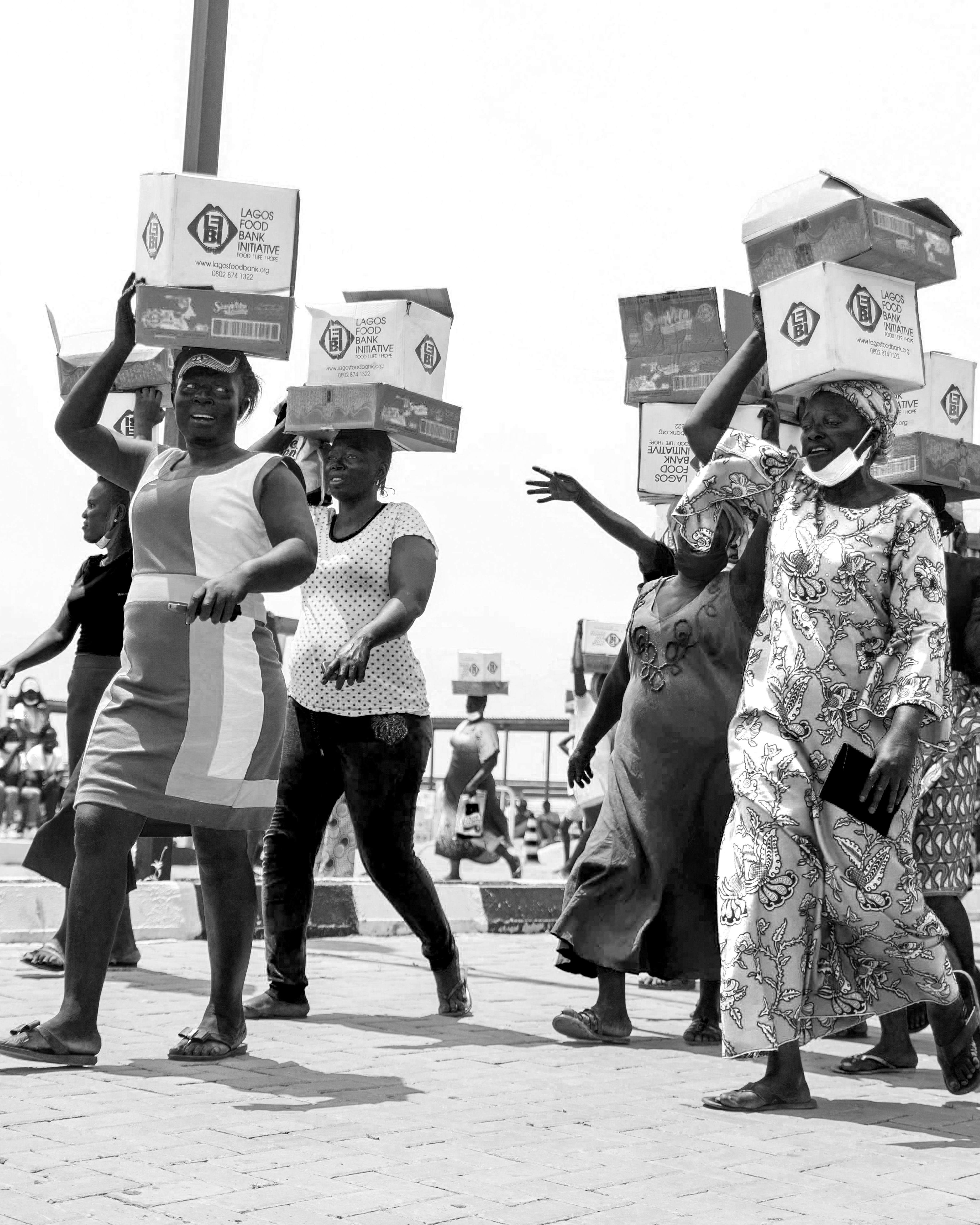
For years, models like TOMS’ “One for One” approach were celebrated as brilliant blends of business and benevolence. You buy a pair, they give a pair—simple. In its first decade, TOMS gave away over 95 million shoes. But here’s the hard truth: generosity, without context, can create dependency. And in some cases, it can destabilize the very communities it aims to uplift.
Take El Salvador, where one impact study found that while kids who received TOMS shoes wore them more often, there was no real change in school attendance or health outcomes. What did change? Local shoe sales dipped. That ripple effect was felt by artisans, shopkeepers, and traders who suddenly couldn’t compete with “free.”
To its credit, TOMS evolved. In 2019, the brand pivoted from giving away shoes to giving grants—acknowledging that donation-based models weren’t fueling sustainable economic growth. But TOMS was only one piece of a much bigger puzzle: the global secondhand economy.
Let’s talk mitumba—the name for secondhand clothing in Kenya and across East Africa. Every year, bales of used clothing—often fast fashion castoffs from the Global North—flood open-air markets in places like Gikomba in Nairobi. For many families, these clothes offer affordable options. For over 2 million Kenyans, the mitumba trade is a livelihood.
But here’s the tension: those same bales of clothing undermine local textile industries. Countries like Rwanda made bold moves in 2016, placing steep tariffs on used clothing to protect domestic garment production. The result? Clothing prices rose, yes—but so did investment in local manufacturing. Rwanda’s stance sparked a trade standoff with the U.S., but they didn’t back down. Because sovereignty matters—and so does the ability to define your own economic future.
Kenya took a different path, prioritizing the jobs in resale markets. And I get it—when your economy is informal and millions rely on daily hustle, removing mitumba overnight could be catastrophic. But what’s clear is this: donation-based models, whether from brands or governments, are never neutral.
It’s systems change, not saviorism. It’s investing in local capacity, not flooding markets with free goods. It’s asking: who’s empowered by this model—and who’s left invisible in the process?
We’ve romanticized the quick fix for far too long. But the future demands something bolder: brands and governments that center dignity, resilience, and co-creation over handouts.
Because at the end of the day, generosity isn’t just about what we give. It’s about how we give—and whether that gift makes room for communities to thrive on their own terms.
Whether you’re looking for an advisor to shape your brand’s future or a dynamic speaker who inspires audiences, I’m here to help. Let’s connect and create something transformative.
get in touch